
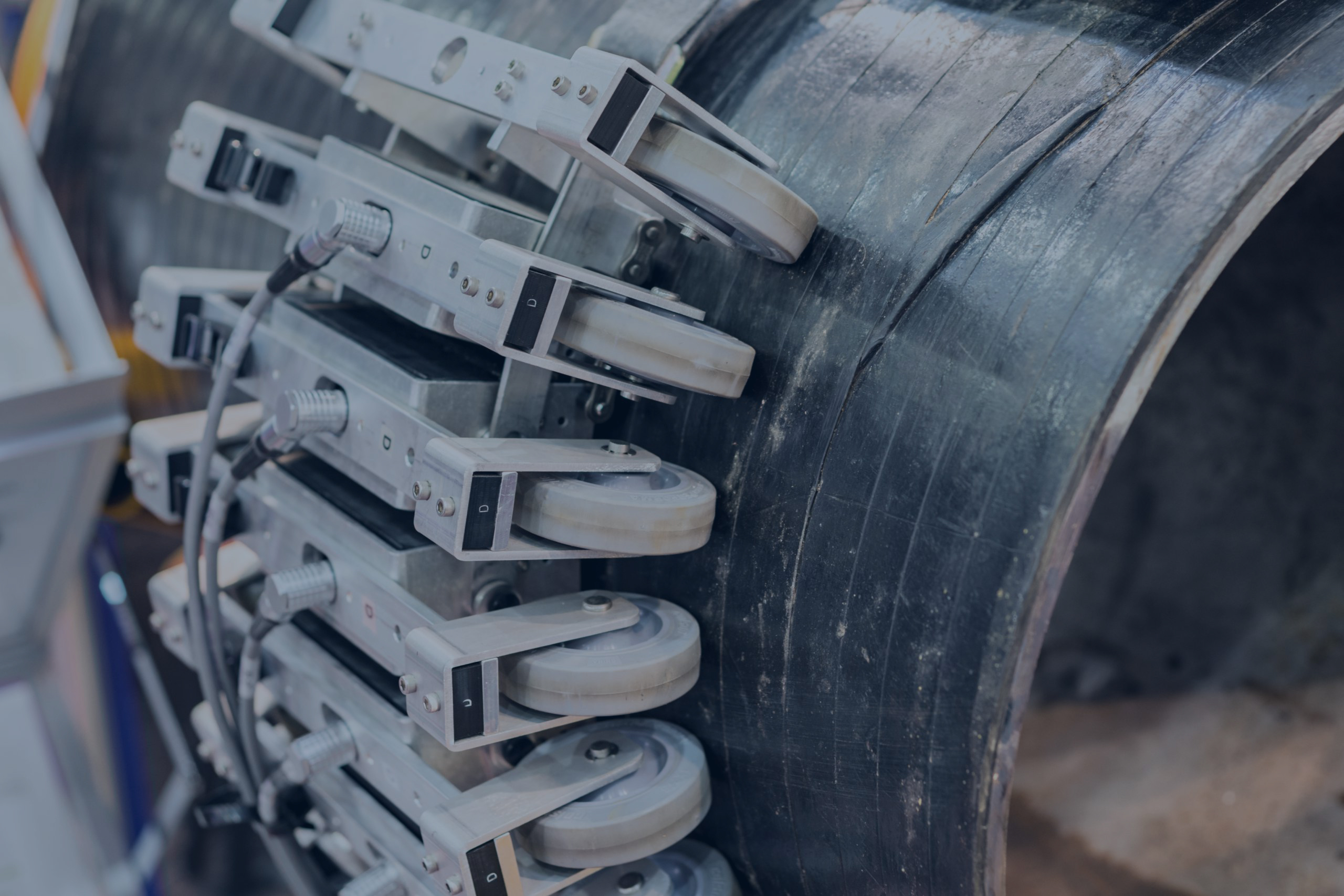
Exchanger Inspection in Carlsbad, NM
From Carlsbad, TechCorr responds across the Delaware Basin and Southeast New Mexico oilfields, where exchangers support demanding Oil & Gas and power operations. Our non-destructive testing (NDT) and NDE methods assess tube condition without damaging equipment, helping teams plan work with better evidence.
Exchanger Inspection for Southeast New Mexico Operations
In the Delaware Basin and the wider Southeast New Mexico oilfield corridor, dependable heat transfer equipment supports production, processing, utilities, and midstream operations. Condensers, air coolers, boilers, and feed-water heaters can lose performance when tube-wall thinning, pitting, erosion, corrosion, or other damage goes undetected. A tube leak or unplanned exchanger outage can disrupt operations, increase maintenance demands, and complicate turnaround schedules.
TechCorr’s Carlsbad team provides exchanger inspection for operators and service companies that need timely, defensible condition information. The goal is not simply to identify indications, but to help integrity and maintenance teams understand where damage is located and what follow-up is appropriate. Inspection results can inform repair, retubing, continued monitoring, or operating decisions as part of a broader asset integrity program.
What TechCorr’s Carlsbad Team Delivers
TechCorr evaluates ferrous and nonferrous tubing in heat exchangers and related equipment, selecting examination methods to suit the material, geometry, access, and expected damage mechanisms. Depending on the application, available techniques include Eddy Current Testing (ECT), Remote Field Testing (RFT), Internal Rotary Inspection System (IRIS) ultrasonics, Magnetic Flux Leakage (MFL), Near Field Testing (NFT), and remote visual examination.
Each method has strengths and limitations. ECT is commonly applied to conductive nonferrous tubes; RFT can be useful for ferromagnetic tubing; and IRIS uses ultrasonic measurements to characterize wall thickness where conditions and preparation support the method. NFT can help examine near-support areas in certain nonferrous tubes, while MFL and remote visual techniques may be appropriate for particular configurations and inspection objectives. Method selection should account for tube alloy, dimensions, support structures, surface condition, access, and the suspected degradation—not rely on a one-size-fits-all approach.
TechCorr’s tube inspection specialists can analyze data at the job site or use secure transfer for remote review, depending on project needs. Enhanced visualization and reporting tools map indications to tube-sheet layouts and identify their position along tube length. This localization helps engineers focus follow-up actions, compare findings with operating history, and make better-informed decisions about repairs or continued service. Reporting is structured to support practical maintenance and integrity planning, not just deliver raw data.
Exchanger Inspection as Non-Destructive Testing
Exchanger inspection is a specialized application of non-destructive testing (NDT), also described as non-destructive examination (NDE). Rather than cutting or removing sound tube material to assess condition, trained technicians apply suitable examination techniques to detect and characterize evidence of degradation while preserving the component for its intended use. The examination can identify relevant indications, but results must be interpreted in context: no single method detects every flaw in every material or configuration.
A sound program begins with the inspection objective and equipment details, including tube material, dimensions, layout, prior repairs, process conditions, and known damage history. Technicians then select and apply qualified procedures, verify data quality, and report coverage, limitations, and findings. Where indications are found, their location and characteristics can help the responsible engineer determine whether additional evaluation, repair, retubing, or monitoring is warranted. This disciplined NDE approach helps owners manage risk while avoiding unnecessary intrusive work.
Standards, Qualifications, and Inspection Planning
Inspection requirements depend on equipment type, jurisdiction, owner specifications, and the scope of work. API 510 addresses in-service inspection, repair, alteration, and rerating of pressure vessels; API 570 covers piping inspection programs; and API 653 applies to aboveground storage tanks. These standards may inform an overall facility integrity program, but they do not replace exchanger-specific inspection planning or the applicable construction and owner requirements. The governing code and inspection basis should be confirmed for each asset.
Personnel performing NDT should be qualified and certified in accordance with the applicable written practice and recognized industry requirements, including ASNT-based qualification frameworks where specified. NACE/AMPP practices and guidance may also be relevant when corrosion control, materials performance, or coating considerations are part of the broader integrity scope. ISO management-system requirements can support consistent quality processes, documentation, and continual improvement; they do not by themselves establish that a particular exchanger inspection method is suitable.
Before work begins, TechCorr coordinates on scope, access, outage timing, tube-sheet information, safety requirements, and deliverables. Clear planning helps align inspection coverage with the equipment’s condition and operating priorities, while transparent reporting gives the client a usable record for maintenance decisions and future comparisons.
Why TechCorr Carlsbad
TechCorr delivers advanced NDE, pipeline NDE, and rope access inspection from Carlsbad across the Delaware Basin and Southeast New Mexico. That local field-response capability connects exchanger inspection with the practical demands of oilfield production, processing, and supporting infrastructure. Our specialists bring method-specific expertise, careful data handling, and defect localization designed to make inspection findings actionable.
If you are planning a turnaround, investigating tube damage, or building an inspection plan for heat-transfer equipment, contact TechCorr to discuss exchanger type, materials, operating history, and access. We can help define an appropriate NDT scope and coordinate a responsive field inspection to support safer, more informed asset integrity decisions.
Why Carlsbad Chooses TechCorr for Exchanger Inspection
- Carlsbad field response across the Delaware Basin and Southeast New Mexico
- ECT, RFT, IRIS, MFL, NFT, and remote visual method expertise
- Tube-sheet mapping pinpoints indications by tube and location
- NDT personnel qualified to applicable written-practice requirements
- Advanced NDE, pipeline NDE, and rope access capabilities
Exchanger Inspection in Other Cities
Your Local Office
2305 Osborne, Carlsbad, NM 88220
575-725-5441