
Storage Tank Inspection in Carlsbad, NM
From Carlsbad, TechCorr supports tank operators along the Delaware Basin and Southeast New Mexico oilfield corridor with rapid, certified field response. Our Storage Tank Inspection combines non-destructive testing (NDT) and NDE methods to assess condition, support API 653 decisions, and help plan maintenance.
Storage Tank Inspection for the Delaware Basin
Aboveground storage tanks are essential to production, gathering, processing, and midstream operations throughout the Delaware Basin and Southeast New Mexico. Their condition can affect containment, operating continuity, regulatory obligations, and confidence in asset integrity. Corrosion, floor metal loss, settlement, coating deterioration, and damage at welds or shell courses can develop while a tank remains in service. A well-planned Storage Tank Inspection helps identify and characterize these conditions so operators can make informed decisions about continued operation, repair, or an out-of-service inspection.
TechCorr's Carlsbad office serves producers, midstreamers, and service companies working across this demanding industrial corridor. Local field response is backed by advanced NDE, pipeline NDE, and rope access capabilities—useful when inspection work spans tanks, connected piping, elevated components, or difficult-to-reach areas. Inspection scope is selected around the asset, access conditions, operating status, and the questions the integrity team needs answered.
Storage Tank Inspection as Non-Destructive Testing
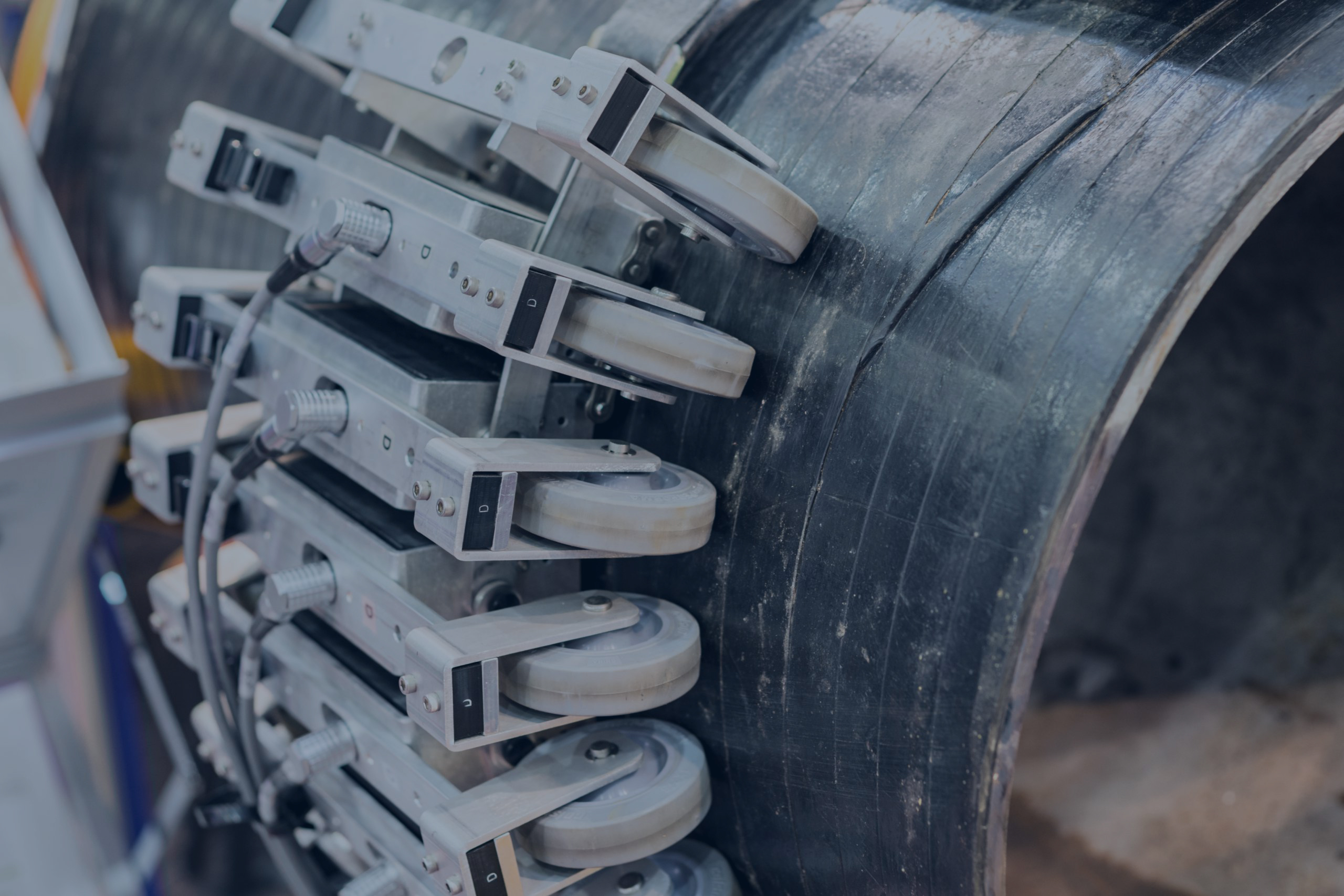
Storage Tank Inspection uses non-destructive testing (NDT) and non-destructive examination (NDE) to evaluate an asset without relying on destructive sampling of its structure. Visual examination can identify surface conditions, deformation, coating concerns, leakage evidence, and other indications. Ultrasonic testing (UT) measures material thickness at selected locations or across defined corrosion survey areas, helping assess shell and roof condition and establish data for remaining-thickness evaluation.
For tank floors, magnetic flux leakage (MFL) testing is used to screen for indications associated with metal loss. Relevant indications can then be evaluated with UT prove-up to help determine their dimensions and volumetric significance. Settlement and verticality measurements provide information about tank geometry, while acoustic emission (AE) and TANKPAC™ testing may support condition assessment without taking a tank out of service when appropriate to the scope. These methods provide complementary evidence; no single technique answers every integrity question. The inspection plan should account for access, tank configuration, service history, and the applicable evaluation criteria.
What TechCorr's Carlsbad Team Delivers
TechCorr can plan and perform in-service and out-of-service visual inspections, UT thickness readings, and UT corrosion surveys of tank shells and roofs. For out-of-service work, the inspection scope may include MFL floor scanning, UT prove-up of selected floor indications, and API 653 calculations. Shell and edge settlement measurements and verticality surveys can help evaluate geometry and support engineering review. When work areas are elevated or difficult to access, rope access capability can help address access needs within a coordinated inspection plan.
A useful inspection program connects field findings to decisions. TechCorr supports clients from program development and data collection through engineering evaluation, with scope shaped to the tank's condition and operating constraints. The final electronic report can include findings and recommendations, calculations, applicable checklist items, CAD drawings, and photographs. Clear documentation helps integrity teams understand what was examined, which indications merit follow-up, and what information should guide repair planning or future inspection intervals.
Standards, Qualifications, and Evaluation
Applicable requirements depend on tank design, service, jurisdiction, and the work being performed. API 653 is central to inspection, repair, alteration, and reconstruction considerations for aboveground storage tanks. API 510 addresses pressure vessels, while API 570 applies to in-service piping; they are relevant to broader facility inspection programs but are not substitutes for the tank-specific requirements of API 653. The inspection basis and any calculations should be matched to the asset and the responsible engineering review.
ASNT practices and personnel qualification requirements are important considerations when selecting NDT personnel and defining how examinations are performed and documented. NACE International, now AMPP, standards and guidance may inform corrosion control and protective-coating considerations where applicable. ISO standards can provide quality-management and other supporting frameworks, depending on the project and client requirements. Standards have defined scopes, and applicability should be confirmed for each asset and contract. TechCorr's NDE approach emphasizes suitable methods, qualified personnel, documented procedures, and traceable reporting—not a one-size-fits-all checklist.
Plan the Right Inspection Scope
Inspection timing and methods should reflect operating conditions, risk, prior inspection results, corrosion mechanisms, and access constraints. An in-service assessment may answer immediate condition questions while limiting disruption; an out-of-service inspection can provide access to the tank floor and other areas not available during operation. Where appropriate, AE or TANKPAC™ testing may contribute to an assessment while the tank remains in service. Findings should be interpreted in context and escalated for engineering evaluation when indications, measurements, or settlement results require further analysis.
TechCorr works with plant managers and integrity engineers to define objectives before field work begins. That means identifying the components to examine, the data needed for decisions, the relevant standards, and how findings will be reported. A focused scope can help reduce uncertainty, support defensible maintenance planning, and keep asset integrity decisions connected to actual inspection evidence.
Why TechCorr Carlsbad
TechCorr brings advanced NDE, pipeline inspection expertise, and rope access capability to Storage Tank Inspection across Carlsbad and the surrounding South Central region. Our field team understands the need for responsive coordination in the Delaware Basin, where inspection access, schedules, and operating constraints can change quickly. From tank-floor NDT and UT corrosion surveys to API 653 calculations and electronic reporting, we help operators turn examination results into practical next steps.
Contact TechCorr's Carlsbad team to discuss your tank inventory, operating status, inspection history, and integrity priorities. We can help develop a fit-for-purpose scope for an in-service assessment, an out-of-service inspection, or a broader asset integrity program—then coordinate certified field response across Southeast New Mexico.
Why Carlsbad Chooses TechCorr for Storage Tank Inspection
- Carlsbad field response across the Delaware Basin and Southeast New Mexico
- Advanced NDE, pipeline NDE, and rope access inspection capabilities
- MFL floor screening with UT prove-up and API 653 calculations
- In-service and out-of-service tank inspection options
- Electronic reports with recommendations, calculations, drawings, and photos
Storage Tank Inspection in Other Cities
Your Local Office
2305 Osborne, Carlsbad, NM 88220
575-725-5441