
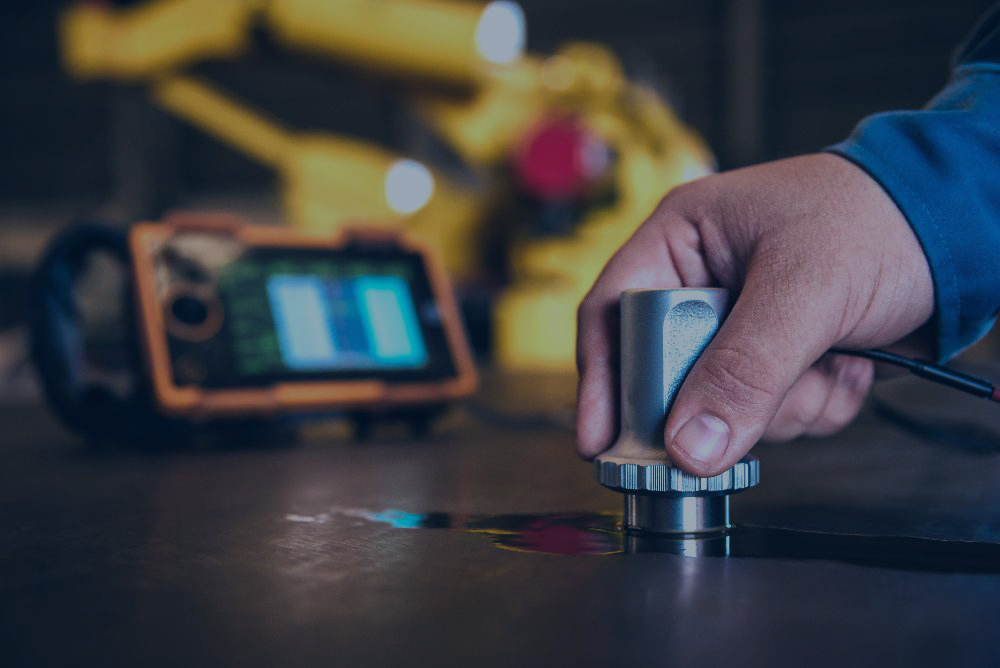
Exchanger Inspection in Houma, LA
From Houma through the Houma–Thibodaux corridor and toward Gulf Coast terminals and offshore platforms, TechCorr supports exchanger inspection where reliable heat transfer protects production. Our non-destructive testing (NDT) program applies tube-focused NDE methods to find and locate damage without cutting tubes open.
Exchanger Integrity Across the Houma Region
Heat exchangers, condensers, feed-water heaters, boilers, and air coolers are essential to process reliability across Southeast Louisiana. Around Houma, operators and maintenance teams support oil and gas production, marine terminals, shipyards, and offshore facilities stretching from the bayou to the Gulf of Mexico. A leaking or degraded tube bundle can reduce thermal performance, contaminate process streams, drive unplanned shutdowns, or create a consequential equipment failure.
TechCorr’s Houma office is positioned to support this coastal operating environment, with regional strengths in marine inspection, storage tank inspection, radiographic testing, and pipeline NDE. Exchanger inspection complements that field capability with specialized tube examinations for both ferrous and nonferrous materials. Timely, well-targeted inspection helps integrity teams understand condition, prioritize repairs, and make informed decisions about continued operation, retubing, or inspection intervals.
Exchanger Inspection as Non-Destructive Testing
Exchanger inspection is a focused form of non-destructive testing and examination (NDT/NDE): technicians assess tubing for degradation while preserving the equipment for continued service or planned maintenance. The appropriate technique depends on tube material, diameter, wall thickness, geometry, access, expected damage mechanisms, and the inspection objective. No single method is suitable for every bundle, so the inspection plan should be selected around the asset and its service conditions.
Available methods include eddy current testing, remote field testing, internal rotary inspection system (IRIS) ultrasonic testing, magnetic flux leakage, near-field testing, and remote visual examination. Eddy current techniques are commonly applied to nonferrous tubing; remote field and magnetic flux leakage methods can support examinations of ferromagnetic materials. IRIS can provide ultrasonic wall-thickness information when the tube condition and access allow. Remote visual methods can help assess internal features, while near-field approaches may be useful for specific configurations. Method selection and coverage should be confirmed with the equipment details and qualified inspection personnel.
These examinations can identify and characterize indications associated with wall loss, pitting, cracking, erosion, wear, or other damage, within the capabilities and limitations of the selected technique. Tube data can be reviewed at the job site or transferred for remote analysis using enhanced visual software and reporting tools. Tube-sheet-style maps can show indication locations by tube and, when supported by the method and data, along the tube length. That location-specific information helps engineering and operations teams assess repair options, target follow-up work, and evaluate whether operating changes may help manage a damage mechanism.
What TechCorr’s Houma Team Delivers
A useful inspection program begins with scope development: equipment records, tube material and dimensions, operating history, prior inspection results, access constraints, and the decisions the results need to support. TechCorr’s specialists can coordinate the examination around outage schedules and operating requirements, then perform the selected NDT methods using personnel qualified for the work. Examination scope, sampling, acceptance criteria, and reporting should be aligned with the asset’s applicable code, owner-user requirements, and engineering assessment.
Deliverables are designed to support practical asset integrity decisions—not simply provide a list of indications. Depending on the agreed scope, reporting can document the methods used, examined coverage, data limitations, tube-level findings, relevant indication locations, and results in a layout that maintenance and reliability teams can use. Clear records help compare results across inspection campaigns, plan tube plugging or retubing, and communicate condition to stakeholders responsible for safe, reliable operation.
TechCorr’s cross-industry tube inspection capability serves Power Generation, Oil & Gas, and other industries. For Houma-area operators, this specialized exchanger work can be coordinated alongside broader regional inspection needs, including radiographic testing, pipeline NDE, and storage tank services. The right combination depends on site requirements and should be established during project planning.
Standards, Qualifications, and Inspection Planning
Inspection programs must follow the requirements applicable to the equipment and its service. API 510 addresses pressure vessel inspection, repair, alteration, and rerating; API 570 covers in-service piping systems; and API 653 applies to aboveground storage tanks. These standards provide relevant inspection and integrity context for a facility, but they are not interchangeable exchanger-tube examination procedures. The responsible owner-user or engineer should identify the governing code, jurisdictional rules, examination requirements, and fitness-for-service process for each asset.
Personnel qualification is also central to dependable NDE. TechCorr’s work is performed by appropriately qualified personnel in line with applicable American Society for Nondestructive Testing (ASNT) requirements and the project’s written practice and method needs. NACE/AMPP corrosion expertise may inform corrosion-control and materials considerations where applicable. ISO-based quality systems and procedures can support consistent work execution and records; the relevant ISO requirement depends on the service, contract, and certification scope. Confirm applicable qualifications, procedures, and acceptance requirements before mobilization.
Why TechCorr Houma
TechCorr brings specialized tube inspection together with a Houma-based understanding of Southeast Louisiana’s marine, terminal, offshore, and industrial operating environment. Our team can help you define a practical NDT scope, select suitable methods for ferrous or nonferrous tubing, and produce location-aware findings to support maintenance and asset integrity decisions. We do not substitute inspection data for engineering judgment; we provide clear information for the people accountable for equipment condition and operation.
Contact TechCorr to discuss your exchanger type, tube materials, inspection history, access, and outage window. We’ll help develop an examination plan aligned with your objectives and coordinate service from Houma for facilities across the bayou and the Gulf Coast.
Why Houma Chooses TechCorr for Exchanger Inspection
- Houma-based support for bayou, terminal, shipyard, and offshore assets
- Tube NDT methods for ferrous and nonferrous exchanger materials
- Eddy current, IRIS, remote field, MFL, and visual expertise
- Tube-level mapping supports targeted integrity decisions