
Phased Array Ultrasonic Testing (PAUT) in Three Rivers, TX
From Three Rivers, TechCorr deploys Phased Array Ultrasonic Testing (PAUT)—an advanced non-destructive testing (NDT) method—to pipeline and refining work across the Eagle Ford and Coastal Bend. Our South Texas field teams help assess welds along the region’s active pipeline and refining corridors.
PAUT for South Texas Pipeline and Refining Assets
South Texas operators need inspection data they can use to make sound repair, maintenance, and compliance decisions. Across the Eagle Ford and Coastal Bend, pipelines, terminals, and refining facilities face demanding operating conditions, while inspection schedules must account for access, production, and public-safety needs. Weld integrity is central to that work: a flaw that goes undetected or is poorly characterized can complicate an integrity assessment and increase uncertainty around next steps.
Phased Array Ultrasonic Testing (PAUT) gives asset owners a detailed view of weld indications without cutting into the material. Its encoded images can support evaluation of weld quality, repair areas, and other applicable inspection targets. For South Texas pipeline and refining clients, that means useful NDE information delivered by a local team familiar with field callouts and conventional NDT needs—not a one-size-fits-all inspection plan.
How PAUT Works as a Non-Destructive Testing Method
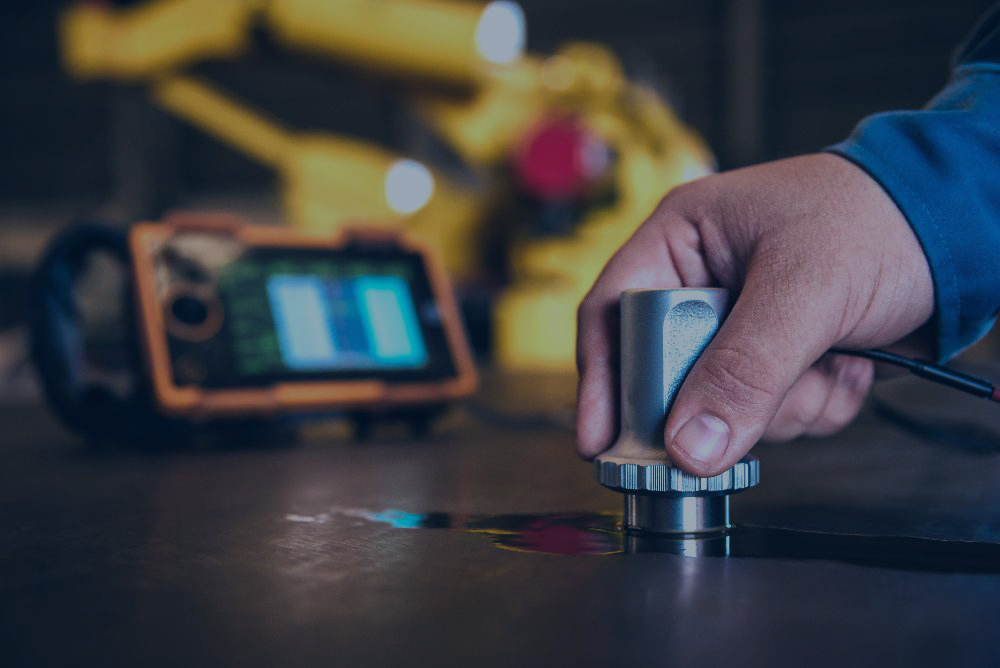
PAUT is an ultrasonic non-destructive testing and inspection method. Instead of relying on a single crystal, a probe contains multiple small ultrasonic elements. An instrument controls the timing of each element so the sound beam can be electronically steered and focused through the material at selected angles. The inspector can examine a weld from multiple angles using one probe, subject to the procedure, component geometry, and access available.
As the probe scans the examination area, the system records position-linked ultrasonic data. Software displays that data in views such as sectorial scans (S-scans) and plan views (C-scans), helping the qualified analyst evaluate the location and response of indications. Encoded results can improve repeatability and provide a documented record for review. They do not make every indication a defect or replace skilled interpretation: calibration, scanning coverage, material condition, geometry, and acceptance criteria all matter.
PAUT is not radiography, and neither method is right for every examination. TechCorr can help determine whether PAUT, conventional ultrasonic testing, radiographic testing, or another NDT/NDE method is appropriate for the asset, governing code, and inspection objective. The chosen method and technique should be established in the applicable written procedure and approved by the responsible parties.
What TechCorr’s Three Rivers Team Delivers
TechCorr’s Three Rivers office serves South Texas pipeline and refining clients with pipeline NDE, radiographic testing callouts, and conventional NDT. For PAUT work, the team can coordinate examination planning, field setup, encoded scanning, data review, and reporting in line with the approved scope. Before mobilization, inspection requirements should establish the examination volume, surface and access conditions, material and thickness, weld configuration, applicable acceptance criteria, and deliverable format.
That planning helps integrity engineers and plant managers connect inspection results to practical decisions. Reports can document the examination scope, procedure and equipment details, coverage limitations, and relevant indications for appropriate evaluation. Where PAUT is not suitable or another examination is required, the Three Rivers team’s broader NDT and radiographic testing capabilities help support a coordinated inspection plan. Actual availability, qualification requirements, and scope are confirmed for each job.
Standards, Qualifications, and Inspection Planning
Inspection requirements depend on the asset, service, contract, jurisdiction, and governing construction or in-service code. API 510, API 570, and API 653 address in-service inspection programs for pressure vessels, piping, and aboveground storage tanks, respectively. They may inform the broader inspection and asset-integrity program, but they do not automatically prescribe PAUT for every component. The applicable code, owner-user requirements, written procedure, and acceptance criteria determine how an examination is performed and evaluated.
Personnel qualifications should also match the work. ASNT documents and recommended practices can provide a framework for employer-based qualification and certification programs; client specifications or contract requirements may call for particular qualifications. NACE, now AMPP, standards and guidance may be relevant to corrosion and materials-related integrity considerations, depending on the scope. ISO standards can support quality and competence requirements where applicable. TechCorr aligns the examination plan with the governing requirements identified for the project rather than treating any single standard as universal.
From Inspection Data to Asset Integrity Decisions
PAUT provides examination information—not an engineering fitness-for-service determination by itself. Indications must be interpreted against the applicable procedure and acceptance criteria, and results should be reviewed in the context of design, service history, corrosion mechanisms, and other inspection findings. Clear records help owners compare results over time and prioritize follow-up examinations, repairs, or engineering review.
Before work begins, share the component or weld details, governing requirements, access constraints, schedule, and reporting needs. TechCorr can then coordinate the appropriate NDE approach and explain what the proposed examination can—and cannot—establish. This keeps non-destructive testing focused on the integrity question at hand and helps avoid assumptions about coverage or acceptance.
Why TechCorr Three Rivers
TechCorr brings PAUT capability together with local pipeline NDE, radiographic testing callouts, and conventional NDT support from its Three Rivers office. That mix is valuable when a South Texas site needs inspection coverage coordinated around operating conditions, access, and schedule. Our field teams serve the Eagle Ford and Coastal Bend, with the goal of delivering reliable examination data and clear documentation to support safe, compliant operations.
Contact TechCorr to discuss Phased Array Ultrasonic Testing (PAUT) in Three Rivers, TX. Tell us what you need examined, which code or client requirements apply, and when access is available. We’ll help define a practical inspection scope for your pipeline or facility and coordinate the appropriate certified field resources.
Why Three Rivers Chooses TechCorr for Phased Array Ultrasonic Testing (PAUT)
- Three Rivers field support across the Eagle Ford and Coastal Bend
- Pipeline NDE expertise paired with PAUT and conventional methods
- Radiographic testing callouts to support coordinated inspection plans
- Encoded PAUT data with documented scope and coverage limitations
Phased Array Ultrasonic Testing (PAUT) in Other Cities
Your Local Office
1203 North Harborth, Three Rivers, TX 78071
361-786-3480