
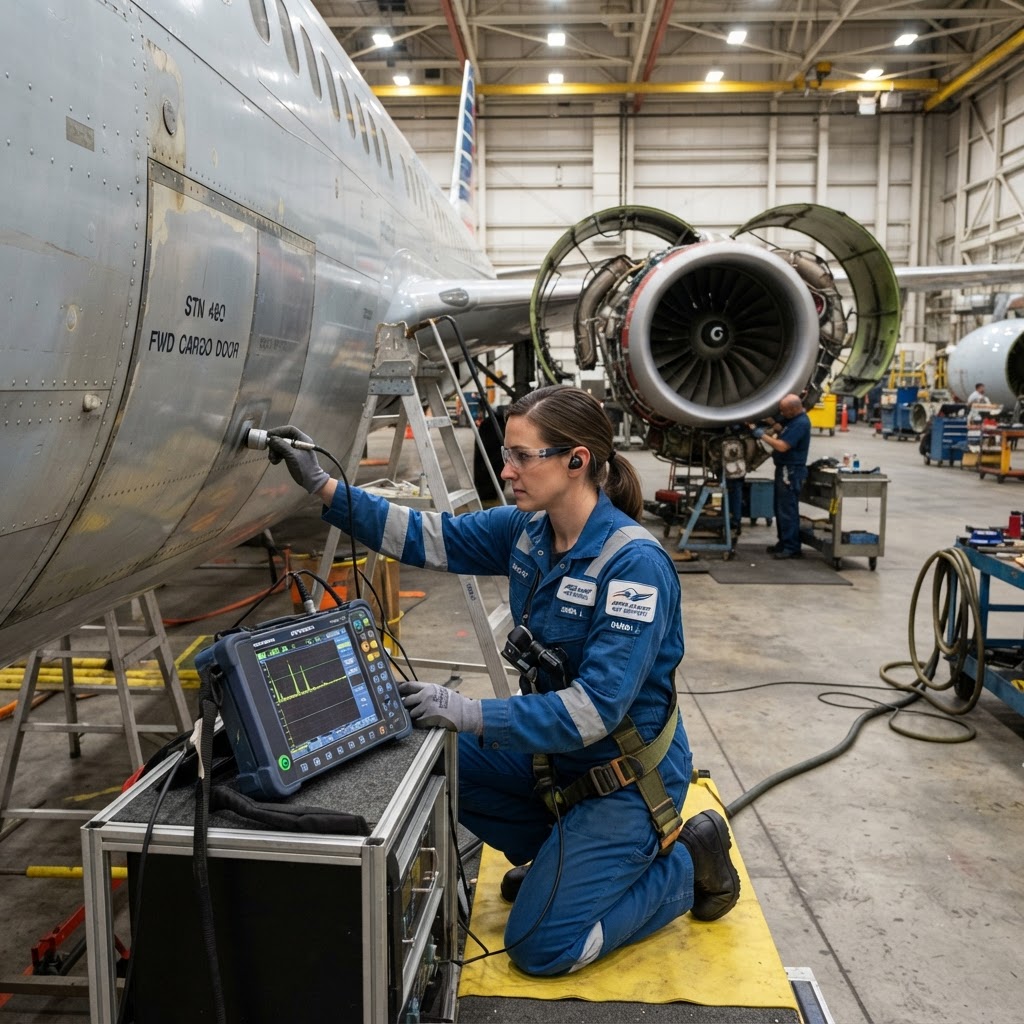
Aviation NDT & Structural Integrity
FAA and EASA Part-145 approved non-destructive testing for aircraft structures, engines, and composite components — safeguarding flight readiness and regulatory compliance.
TechCorr USA offers a comprehensive range of services tailored to the aviation industry. Our certified technicians possess extensive expertise in performing Non-Destructive Testing (NDT) inspections on aircraft structures. They are adept at identifying and interpreting a wide array of defects, ranging from commonplace to more rare anomalies.
NDT inspections play a pivotal role in the proactive management of aircraft structural integrity. These routine evaluations are essential for both commercial and civil aviation. In the United States, our protocols align with the guidelines set by the Federal Aviation Administration (FAA), while in Europe, we comply with the standards outlined by the European Aviation Safety Agency (EASA). Additionally, we hold approval from both the FAA and EASA as a Part-145 maintenance organization, ensuring our adherence to rigorous quality standards.
The selection of the NDT method hinges on the nature of the flaw and the materials being inspected within the aircraft structure. With over four decades of experience, we have honed our proficiency in conducting these crucial inspections.
Our service portfolio encompasses a comprehensive inspection of various components, including flight surfaces, windows, landing gear, fuselage, aircraft body, and a spectrum of engine components. Our thermal graphic imaging methods, based on infrared and thermal principles, excel at detecting voids, inclusions, liquid ingress, and anomalies affecting heat flow in materials. These techniques prove invaluable for assessing composite laminates, sandwich parts, and metallic structures.
Parts Inspected
- Flight Surfaces
- Windows and Windshields
- Landing Gear
- Fuselage
- Aircraft Body
- Various Engine Components
NDT Inspection Methods
We deploy a spectrum of sophisticated NDT inspection methods, including:
- Visual Inspection: Employing optical instruments for detecting surface defects in materials and internal areas inaccessible to the naked eye.
- Eddy Current: Ideal for identifying cracks induced by fatigue or stress corrosion in conductive materials, such as aircraft undercarriage wheel hubs and various tubes.
- Radiography: Utilizing electromagnetic radiation to inspect both metallic and non-metallic parts, including welds, castings, and fabricated structural assemblies for discontinuities.
- Ultrasonic Testing: Employing high-frequency sound waves to detect surface and subsurface defects in welds, castings, main structural fittings, and composite structures.
- Liquid Penetrant Testing: Employing chemical procedures to reveal surface-connected discontinuities in diverse engineering materials.
- Magnetic Particle Testing: Sensitive for identifying surface and some sub-surface discontinuities in ferromagnetic materials like engines, pumps, gearboxes, and shafts.
- Other Advanced Techniques: Borescope inspection, bond testing, thermal imaging, and sonic & resonance testing for comprehensive assessment of composite materials and structures.
Company Approvals
Airbus A300 series, Bell Helicopter, Boeing, Bombardier, Cessna Citation, Cessna Turbine and Piston, Challenger, Dassault Falcon Jet, De Havilland, Dornier, Global, Gulfstream, Hawker Beechcraft King Air Series, Hawker Beechcraft HS125 Series, Jetstar, Learjet, Mitsubishi, Piaggio, Piper, Saab, Sikorsky, Westwind.
For precise, reliable aircraft structural NDT inspections, TechCorr USA stands ready to provide unparalleled expertise and service. Contact us for a meticulous examination of your aircraft components and structures.
Delivering excellence across aviation assets
Aviation in Action


Services for Aviation
Featured Projects in Aviation
Real-world case studies where TechCorr applied these capabilities to aviation assets — linking field outcomes back to the services above.
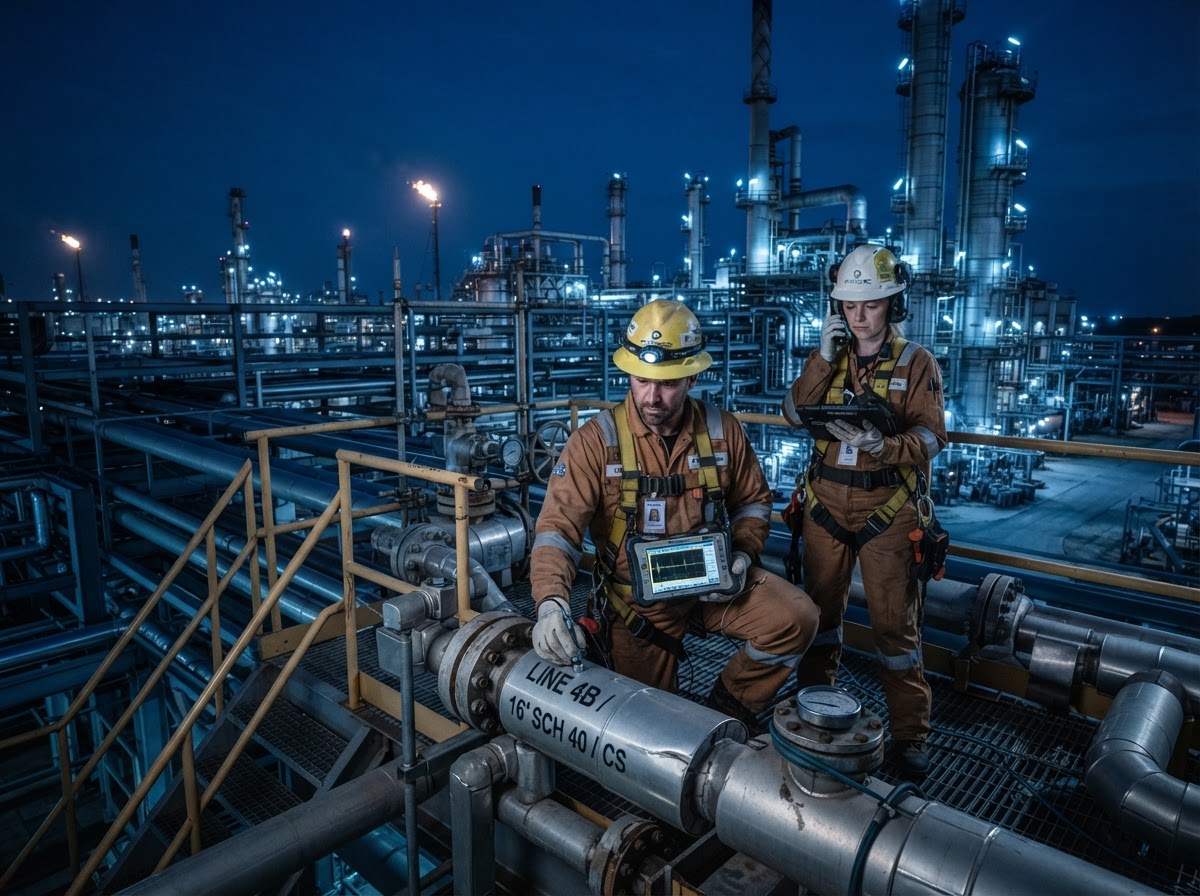
Safeguarding Asset Integrity through Advanced NDT: NAFTA Pipeline System Assessment
A comprehensive inspection of a fire-exposed Class 2 carbon steel piping system revealed a 22% wall loss relative to nominal thickness, with metallographic and hardness testing confirming preserved material integrity.
Read case study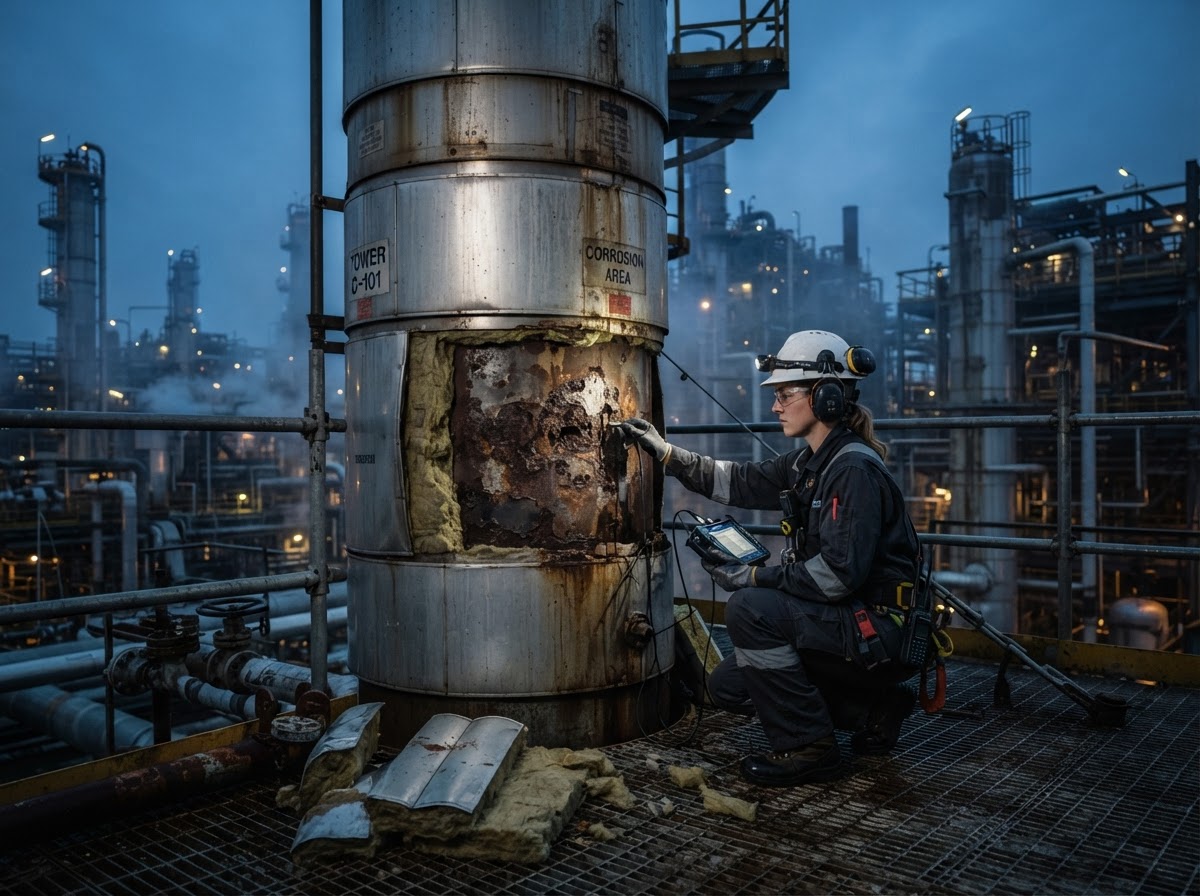
Corrosion Under Insulation (CUI) Detection and Repair Techniques
During a routine assessment of an industrial tower's skirt area, disturbing evidence of corrosion behind the fireproofing was uncovered. Ultrasonic thickness testing revealed localized wall thickness reductions of up to 0.138 inches, exceeding the critical 70% threshold — triggering a comprehensive structural evaluation and repair plan.
Read case study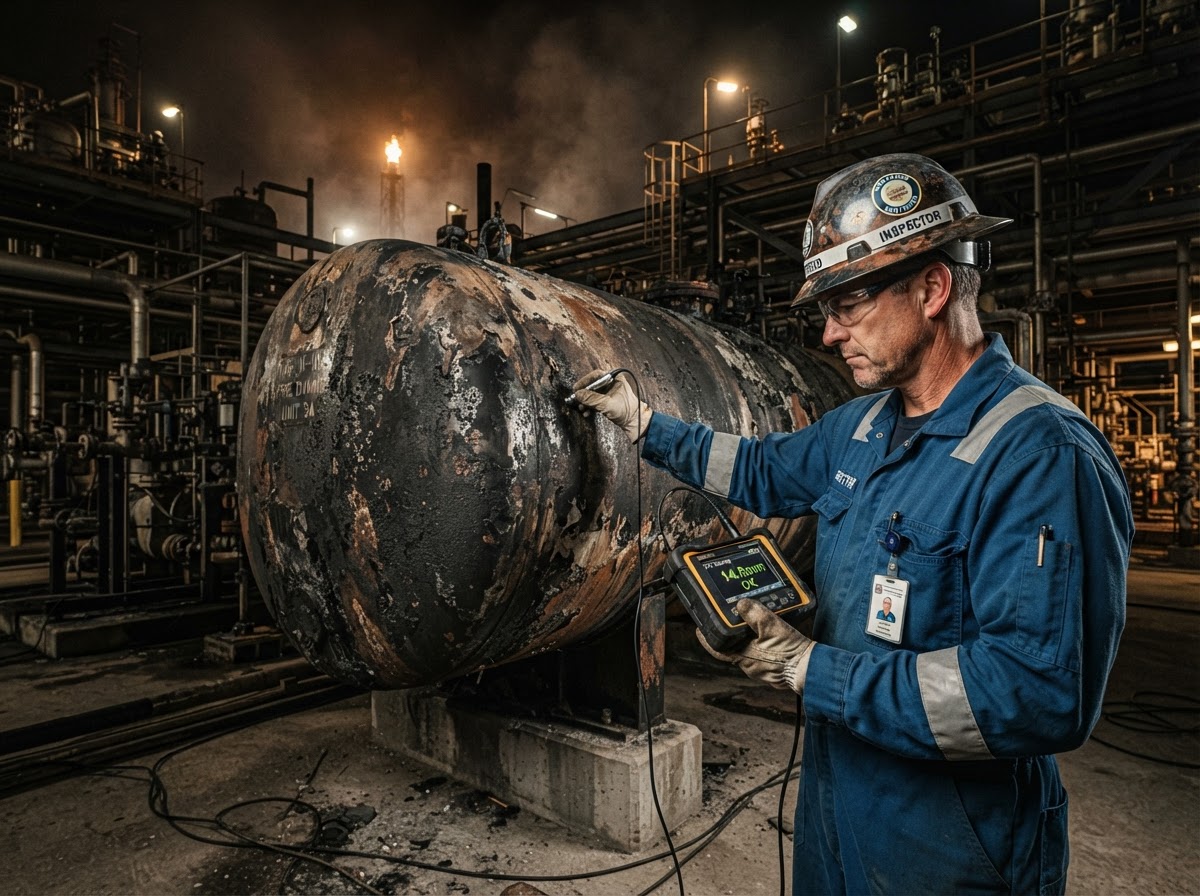
Ensuring Asset Integrity Post-Fire: Horizontal Drum Vessel Inspection
Following a fire incident, TechCorr conducted a comprehensive external API 510 Compliance inspection using ultrasonic thickness measurements at strategically selected Condition Monitoring Locations to evaluate the vessel's structural integrity.
Read case studyReady to discuss your aviation project?
Our team of experts is ready to help with your aviation needs. Request a quote or ask us any questions.