
Marine Inspection in Houma, LA
From Houma, TechCorr supports vessels, shipyards, terminals, and offshore assets along the Bayou and the Houma-to-Gulf corridor. Our ABS-certified Marine Inspection team pairs non-destructive testing (NDT) and NDE methods with local field capability to assess condition without disrupting critical assets.
Marine Inspection for Houma and the Gulf Coast
Houma sits at the center of a working maritime and offshore economy. Vessels, docks, shipyards, terminals, and support infrastructure serve the Louisiana bayou and connect operators to the Gulf of Mexico, from coastal facilities to deepwater operations. Saltwater exposure, changing loads, vibration, and demanding operating schedules can contribute to corrosion, cracking, erosion, or coating breakdown. These conditions make timely inspection essential to safe operation and informed maintenance planning.
TechCorr’s Houma office is positioned to support this regional work with Marine Inspection alongside storage tank inspection, radiographic testing, and pipeline NDE. Local coordination helps plant managers, vessel operators, and integrity engineers plan inspection coverage across marine and adjacent assets while limiting unnecessary downtime and travel delays.
Marine Inspection as Non-Destructive Testing
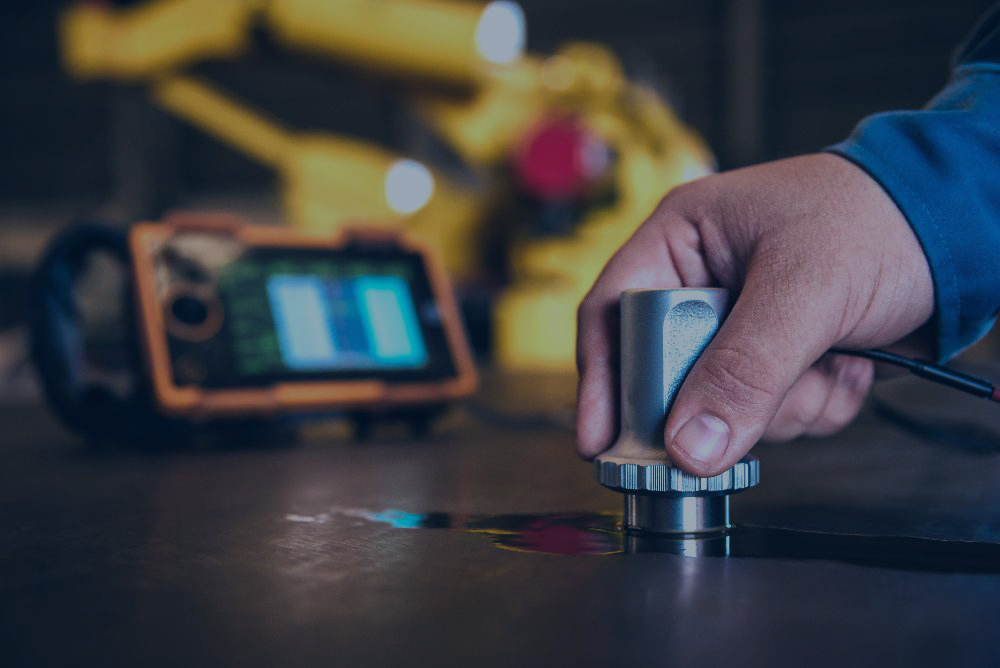
Marine Inspection is a condition-assessment program, not a single test. It uses visual examination and appropriate non-destructive testing (NDT) and non-destructive examination (NDE) methods to evaluate asset condition while preserving the equipment being inspected. The inspection scope depends on the asset, its service history, access, damage mechanisms, and the owner’s regulatory or maintenance requirements.
Inspectors can assess accessible structures and components for indications such as corrosion, cracking, and erosion. Where warranted, complementary NDT methods can help characterize or locate discontinuities in materials and welds. Rope access technicians, aerial or subsea drones, and trained divers can extend inspection reach across difficult-to-access areas, subject to scope and site conditions. Findings provide objective condition information for engineering review, repair decisions, and ongoing asset integrity planning.
The purpose is practical: establish what is known about the asset, identify areas requiring attention, and give owners useful information for lifecycle decisions. Inspection methods are selected for the component and examination objective; no single method is suitable for every material, geometry, or flaw type.
What TechCorr’s Houma Team Delivers
TechCorr’s ABS-certified Marine Inspection team supports maritime ports, shipyards, docks, and vessels with tailored assessments for newbuild and in-service assets. The team works with field inspectors and office-based engineers to develop an inspection approach aligned with the client’s priorities, access constraints, and available asset information. The result is a structured view of condition that can support maintenance planning and compliance activities.
Service delivery can combine conventional NDT expertise with advanced access capabilities. Depending on the defined scope, inspection may address vessel structures, marine facilities, and associated components, with methods and access selected to suit the examination. Findings are documented for review, helping operators understand observed conditions and determine appropriate next steps. TechCorr’s wider Houma capabilities in storage tank inspection, radiographic testing, and pipeline NDE can also support coordinated integrity work across connected terminal and offshore operations.
Inspection scope and acceptance criteria should be confirmed with the owner and applicable authority before work begins. TechCorr can help define the examination plan around the asset, governing requirements, and the decisions the inspection needs to support.
Standards, Qualifications, and Compliance Context
Marine inspection requirements depend on asset type, flag, classification status, contract, and governing jurisdiction. TechCorr’s Marine Inspection program is ABS-certified; owners should confirm the applicable class or regulatory requirements for each asset and inspection. The team’s engineering and inspection approach is intended to provide reliable condition information, not to replace an owner’s responsibility for determining applicable rules or maintaining required records.
Other standards may apply to associated terminal, tank, or pipeline assets. API 510 addresses in-service pressure vessel inspection, repair, alteration, and rerating; API 570 covers in-service piping inspection, repair, alteration, and rerating; and API 653 applies to aboveground storage tank inspection, repair, alteration, and reconstruction. These standards are relevant when the work scope includes those asset classes, rather than serving as universal marine-vessel inspection rules.
ASNT personnel qualification and certification guidance is relevant to NDT personnel and method competence. NACE/AMPP standards and guidance may inform corrosion prevention, coatings, and materials-related work. ISO requirements may apply to quality systems, inspection processes, or client-specific programs. The applicable edition, certification scheme, and acceptance criteria should be established for the project; standards are applied according to scope, not assumed to govern every inspection.
Plan an Inspection Around Your Asset
A useful inspection starts with the asset and the decision at hand. Share the asset type, location, operating context, known concerns, access limitations, and any governing class or maintenance requirements. TechCorr can work with your team to determine the inspection objectives, suitable NDT/NDE methods, access needs, and documentation expectations. Early scope alignment helps coordinate vessel or facility access and focus field time on the areas that matter.
Whether you are preparing for a planned maintenance window, investigating a reported condition, or building a longer-term asset integrity picture, a defined inspection plan makes the results more actionable. Method selection and coverage remain specific to the asset and examination objective.
Why TechCorr Houma
TechCorr’s Houma office combines Gulf-focused marine capability with field resources serving the bayou, coastal facilities, and offshore operations. Our ABS-certified team can bring together engineering, conventional NDT, rope access, and remote inspection resources to address challenging marine access and deliver condition information suited to operational decisions. Nearby expertise in storage tank inspection, radiographic testing, and pipeline NDE offers additional coordination for terminal and offshore integrity programs.
Contact TechCorr to discuss Marine Inspection in Houma, LA. Tell us what asset you need inspected, where it is located, and what decision the inspection must support; our team can help develop a practical scope and coordinate next steps.
Why Houma Chooses TechCorr for Marine Inspection
- ABS-certified Marine Inspection team based in Houma
- NDT/NDE expertise for corrosion, cracking, and erosion assessment
- Rope access, aerial and subsea drones, and trained divers
- Marine, tank, radiographic, and pipeline capabilities in one regional hub