
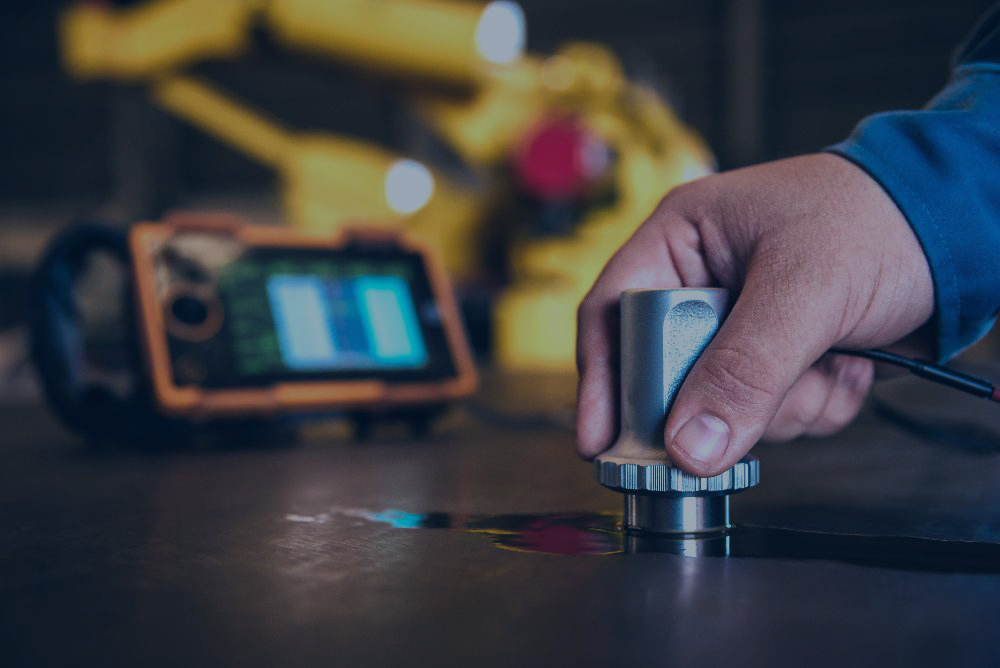
Magnetic Flux Leakage (MFL) in Houma, LA
From Houma, TechCorr supports tank operators along the Bayou, the Port of Houma, and the Gulf Coast’s marine and offshore corridor. Magnetic Flux Leakage (MFL) is a non-destructive testing (NDT) method that maps tank-floor corrosion without removing the floor from service for examination.
MFL tank-floor inspection for Southeast Louisiana
Storage tanks across Houma and Southeast Louisiana support terminals, marine operations, fuel supply, and industrial facilities connected to the Gulf of Mexico. Salt-laden air, moisture, product service, and the region’s demanding operating conditions can contribute to corrosion on both the product side and underside of a tank floor. If wall loss or pitting goes undetected, owners may face leaks, unplanned outages, environmental exposure, and costly repairs.
Magnetic Flux Leakage (MFL) helps plant managers and integrity engineers evaluate tank-floor condition efficiently. A mapped inspection can identify areas that warrant follow-up, helping teams prioritize repairs and make informed decisions about continued service, maintenance, or retirement. For Houma-area operators, this work supports asset integrity planning across terminals, shipyards, and offshore-related facilities—from the bayou to Gulf operations.
How Magnetic Flux Leakage works
MFL is a non-destructive testing and NDE method that uses magnetism to find and map metal loss. An inspection scanner magnetizes the steel tank floor as it travels across the surface. Where corrosion, pitting, or other wall loss interrupts the magnetic path, some flux escapes the steel. Sensors in the scanner detect these field changes and record indications for evaluation.
The inspection is typically performed in systematic passes, with results assembled into a color-coded corrosion map. That map gives the owner and engineering team a practical view of the floor’s condition and helps direct follow-up. MFL is a screening and condition-assessment technique: indications should be assessed in context, and confirmation or additional examination may be appropriate based on the inspection plan, acceptance criteria, and the nature of the findings. The method does not require cutting or removing the tank floor to collect scan data, though safe access and surface preparation requirements depend on the tank and project conditions.
What TechCorr’s Houma team delivers
TechCorr’s Houma office is positioned to support storage tank inspection alongside marine inspection, radiographic testing, and pipeline NDE across the Southeast Louisiana industrial corridor. For tank-floor MFL projects, our team can coordinate the inspection scope, scanner deployment, coverage planning, and organized reporting to help asset owners turn examination data into actionable maintenance priorities.
The inspection approach is developed around the tank, access conditions, and the owner’s integrity objectives. Project planning considers the available floor surface, operational schedule, required coverage, and how MFL results will be used. The resulting documentation can help teams identify areas for further evaluation, plan repairs, and maintain a clearer record of tank condition. Where findings call for additional examination, TechCorr can discuss complementary non-destructive testing methods suited to the specific question and asset.
Houma’s local service base matters when inspection schedules intersect with marine and offshore logistics, terminal operations, and regional callouts. Coordinating from the bayou can help keep communication and field planning connected for facilities serving the Louisiana coast and Gulf of Mexico.
Standards, qualifications, and inspection planning
Inspection requirements depend on the asset, owner specifications, jurisdiction, and applicable code edition. API 653 is the primary API standard for inspection, repair, alteration, and reconstruction of aboveground storage tanks; it provides an important framework for tank-floor integrity decisions. API 510 and API 570 address pressure vessels and piping, respectively, and may be relevant to broader facility inspection programs, but they are not substitutes for tank-specific requirements.
ASNT guidance and personnel qualification practices support consistent, competent NDT work. NACE International and AMPP resources may inform corrosion management and coating considerations, while ISO standards can support quality management and inspection-program processes where applicable. These references do not mean every standard applies to every MFL project. The owner and inspection provider should establish the governing requirements, personnel qualifications, scope, and reporting expectations before work begins.
MFL findings should be interpreted within the project’s examination procedure and tank-integrity program. Factors such as floor configuration, scan coverage, surface condition, and the inspection method’s limitations affect what conclusions can be drawn. Clear documentation and appropriate follow-up help engineers use NDE data responsibly rather than treating a screening result as a standalone fitness-for-service determination.
Why TechCorr Houma
TechCorr brings MFL tank-floor inspection into a regional operation experienced in marine inspection, storage tanks, radiographic testing, and pipeline NDE. That mix helps connect a focused inspection request with the broader asset integrity needs of terminals and Gulf-facing operators. Our goal is practical: deliver organized, technically grounded information that supports maintenance planning and responsible operating decisions.
Planning an above-ground storage tank inspection in Houma or elsewhere in Southeast Louisiana? Contact TechCorr to discuss tank details, access, scheduling, and the inspection scope that fits your integrity objectives. Our team can help you plan Magnetic Flux Leakage (MFL) services and determine whether complementary NDT or NDE methods should be considered.
Why Houma Chooses TechCorr for Magnetic Flux Leakage (MFL)
- Houma-based support for Gulf Coast and bayou tank operators
- MFL tank-floor mapping to guide targeted follow-up
- Connected marine, storage tank, radiography, and pipeline NDE expertise
- Inspection planning aligned with applicable API and owner requirements