
Magnetic Flux Leakage (MFL) in Three Rivers, TX
From the Eagle Ford to the Coastal Bend, TechCorr’s Three Rivers team supports South Texas tank and pipeline operators with Magnetic Flux Leakage (MFL). This non-destructive testing (NDT) method uses magnetic-field response to map tank-floor corrosion without cutting or damaging the steel.
MFL for South Texas Storage Tanks
Across the Eagle Ford and Coastal Bend, operators depend on storage tanks to support refining, pipeline transfer, and production operations. Tank floors face corrosion from both the product side and the soil side, while limited inspection windows can make it difficult to assess condition without disrupting operations. Magnetic Flux Leakage (MFL) helps integrity teams identify areas of wall loss and pitting so they can prioritize follow-up examination, plan repairs, and make informed fitness-for-service decisions.
For Three Rivers facilities, timely inspection is especially important when tanks serve active gathering, terminal, or refinery operations. An organized tank-floor assessment can provide useful condition information for maintenance planning and asset integrity programs, helping owners address deterioration before it develops into a leak, an unplanned outage, or a larger repair scope. MFL is not a substitute for engineering evaluation or every required inspection; it is a practical screening tool that helps direct attention to areas needing further assessment.
How Magnetic Flux Leakage Works
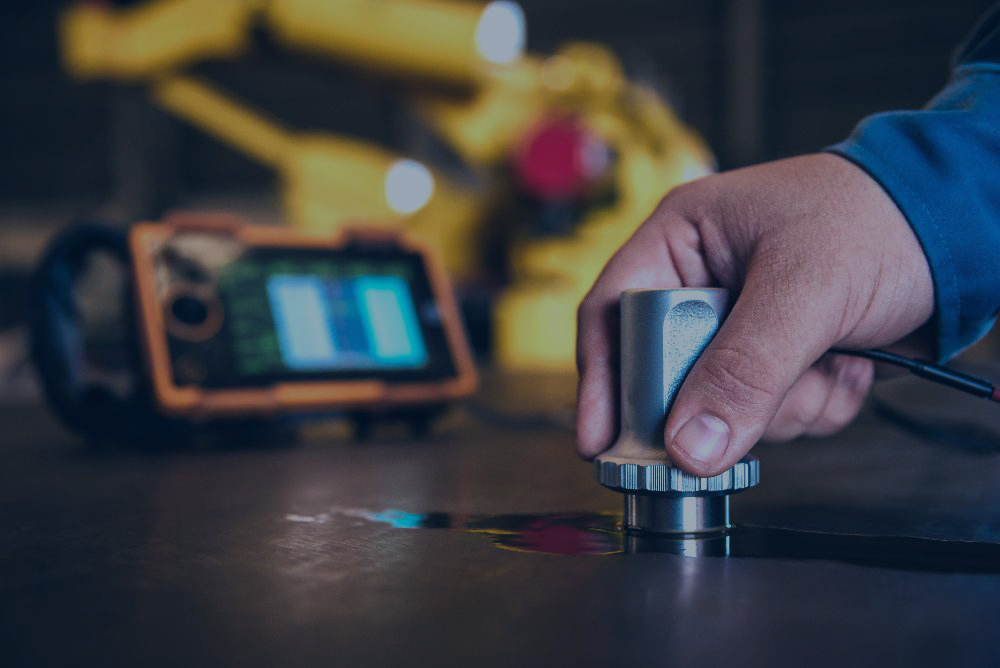
MFL is a non-destructive testing (NDT) and non-destructive examination (NDE) method based on the interaction between magnetized steel and magnetic flux. A scanner passes over the prepared tank-floor surface and magnetizes the steel. Where corrosion or another discontinuity reduces the available metal, the magnetic field is disturbed and some flux escapes the steel. Sensors measure those changes as the scanner moves across the plate.
The inspection system records indications by location and severity, producing mapped data that can be reviewed as a color-coded corrosion map. That map helps the inspection team distinguish areas of interest, compare plate condition, and select locations for confirmation using appropriate complementary NDE methods. Results support decisions about repairs, additional examination, or retirement for cause; they do not independently determine remaining service life. Reliable conclusions depend on suitable surface conditions, calibrated equipment, qualified personnel, and review in the context of the tank’s design and operating history.
What the Three Rivers Team Delivers
TechCorr’s Three Rivers office serves South Texas pipeline and refining clients with pipeline NDE, radiographic testing callouts, and conventional NDE. That field-service experience provides a practical foundation for coordinating MFL tank-floor work alongside broader inspection needs across the region. Our team can discuss the inspection objective, site requirements, tank access, surface preparation, and schedule before mobilization, then organize field execution around the facility’s safety and operating procedures.
During an MFL inspection, the scanner makes systematic sweeps across the tank floor. Technicians track coverage and record relevant indications so findings can be reviewed in relation to plate layout. Where the inspection identifies areas that merit closer examination, the owner can use suitable follow-up methods, such as ultrasonic thickness measurements, to help characterize the condition. TechCorr can also coordinate conventional NDE resources when the scope calls for complementary examination. Deliverables are intended to give plant managers and integrity engineers actionable information for repair planning and inspection records—not simply a collection of scanner readings.
Because every tank and inspection scope is different, the appropriate method combination and acceptance criteria should be established for the asset and governing requirements. MFL performance can be affected by plate geometry, surface condition, access, scanner capabilities, and the type and orientation of a discontinuity. Discussing these factors early helps align the inspection plan with the decisions the owner needs to make.
Standards, Qualifications, and Inspection Planning
Tank inspection programs commonly reference API 653 for inspection, repair, alteration, and reconstruction of aboveground storage tanks. API 510 addresses pressure vessel inspection, while API 570 applies to in-service piping inspection; their relevance depends on the asset and work scope. These standards provide different frameworks and should not be treated as interchangeable. The owner’s inspection program, applicable regulations, contract requirements, and the responsible inspector or engineer determine which requirements govern a particular asset.
Personnel qualification and written procedures also matter. ASNT guidance and applicable employer qualification programs may inform NDT personnel certification, method practice, and examination documentation. For corrosion management, NACE International and AMPP resources can support corrosion-control practices and terminology. ISO standards may apply to quality systems, inspection processes, or other contract-specific requirements. TechCorr works with clients to align the proposed NDE scope, personnel qualifications, reporting, and documentation with applicable project requirements; the governing edition and acceptance criteria should be confirmed for each job.
Why TechCorr Three Rivers
TechCorr brings local South Texas field capability together with asset integrity experience. From Three Rivers, our certified field teams support pipeline and refining clients across the Eagle Ford and Coastal Bend, with pipeline NDE, radiographic testing callouts, and conventional NDE available to complement tank-floor inspection needs. That regional reach helps clients coordinate inspection work with practical attention to site access, safety expectations, and operating schedules.
If you are planning an API 653 tank inspection, investigating suspected floor corrosion, or building a repair scope, contact TechCorr’s Three Rivers team. Share the tank details, inspection objectives, and target dates, and we can discuss whether Magnetic Flux Leakage (MFL) and complementary NDE methods fit your asset integrity plan.
Why Three Rivers Chooses TechCorr for Magnetic Flux Leakage (MFL)
- South Texas field teams serving the Eagle Ford and Coastal Bend
- MFL supported by pipeline and conventional NDE capabilities
- Radiographic testing callouts available from the Three Rivers office
- Qualified personnel and scope planning aligned to applicable standards
Magnetic Flux Leakage (MFL) in Other Cities
Your Local Office
1203 North Harborth, Three Rivers, TX 78071
361-786-3480